

SURVIVING THE SUMMER SLAM: MANAGING HEAT WITH FIBROMYALGIA & RHEUMATOID ARTHRITIS

Managing summer heat when living with both fibromyalgia and rheumatoid arthritis (RA) requires balancing two entirely different pain triggers at once. While the high humidity and temperature swings can send fibromyalgia nerve pain and fatigue into overdrive, the seasonal shift also triggers inflammatory joint swelling and flares for RA. Navigating this dual-diagnosis means protecting your highly sensitive nervous system from overheating without letting your joints lock up.

Just a heads up! Some of the links below are affiliate links. This means I earn a small reward if you buy something, which helps support this site.

Disclaimer: I am not a doctor or a medical professional. I am sharing these tips based on my personal experience living with these conditions and managing severe summer sensory flares.

Optimize Your Environment

  • Climate Control: Keep indoor temperatures consistent using air conditioning to prevent the abrupt atmospheric changes that trigger joint expansion.
  • Dehumidify: Run a dehumidifier to thin out heavy air, which directly relieves the oppressive muscle weight associated with fibromyalgia.
  • Smart Airflow: Position fans to circulate air across the room rather than blowing directly on you, as cold drafts can cause fibro-monitored muscles to spasm.
  • Darken Rooms: Utilize blackout curtains during peak afternoon hours to block out both intense heat and blinding sunlight.

Master Internal and External Cooling

  • Lukewarm Showers: Choose cool or lukewarm showers over freezing cold water to lower your core temperature safely without shocking your nervous system.
  • Pulse Point Cooling: Apply a damp washcloth or a wrapped gel ice pack to your neck, ankles, or wrists for rapid, gentle temperature relief.
  • Targeted Cold: Place towel-wrapped ice packs exclusively on swollen, inflamed RA joints for 15 to 20 minutes to numb active inflammation.
  • Targeted Heat: Continue using localized moist heat wraps on stiff, non-swollen muscles to maintain flexibility on high-acuity mornings.

Rethink Clothing and Accessories

  • Breathable Fabrics: Wear loose, lightweight clothing made of natural fibers like cotton or linen to prevent skin irritation and overheating.
  • Seamless Options: Opt for tagless, smooth-seamed garments to minimize the sensory overload common with fibromyalgia.
  • Sun Protection: Wear polarized sunglasses outdoors to combat photophobia, an eye-straining light sensitivity affecting up to 70% of fibromyalgia patients.
  • Joint Support: Use lightweight, breathable compression gloves or braces to support throbbing joints without trapping excess body heat.

Adjust Diet and Hydration

  • Hydrate Continuously: Sip water throughout the day to keep joints lubricated, flush out toxins, and stave off dehydration-induced flares.
  • Electrolyte Balance: Incorporate electrolyte-rich beverages to replace the vital salts lost through sweating.
  • No-Cook Meals: Prepare cold, anti-inflammatory meals like salads or smoothies to avoid turning on a hot stove or oven.
  • Limit Triggers: Avoid alcohol and excessive caffeine, as both interfere directly with your body’s natural ability to regulate its own temperature.

Modify Activity and Pacing

  • Time Shifts: Schedule necessary chores, doctor visits, or brief walks strictly during the coolest hours of early morning or late evening.
  • Buoyant Movement: Exercise in a heated indoor pool (ideally between 88°F and 92°F) to take the pressure off your joints while keeping your body cool.
  • Aggressive Pacing: Divide your daily tasks into small, bite-sized pieces and take mandatory resting breaks before fatigue actually sets in.
  • Padded Seating: Bring a soft gel cushion to any summer outings to avoid sitting on hard benches that aggravate chronic spinal and hip pain.

Sensory-First Summer Planning: Managing Fibromyalgia Heat Sensitivity

When summer triggers your fibromyalgia sensory sensitivity, your body perceives heat, sweat, and bright light not just as discomfort, but as actual pain. This heightened reaction—known as central sensitization—means your nervous system amplifies every warm or irritating touch.

To prevent your skin and nerves from going into overdrive, your summer strategy needs to focus on soothing your nervous system, calming hyper-reactive nerves, and reducing fabric friction.

Overcoming Fabric and Tactical Friction

  • Fabric Upgrades: Switch exclusively to 100% bamboo, micro-modal, or high-grade mulberry silk, which are smoother and generate less nerve-provoking friction than cotton.
  • Inverted Dressing: Wear loungewear or t-shirts inside-out while at home to keep rough interior seams and threads away from hypersensitive skin.
  • Barrier Layering: Place a soft, bamboo crib sheet or jersey-knit blanket over couch cushions to block rough upholstery from scraping against your legs or arms.
  • Loose Waistbands: Choose dresses, oversized tunics, or loose drawstring pants instead of elastic waistbands to eliminate deep pressure on your torso.

Managing Sweat and Allodynia (Touch Pain)

  • Anti-Chafe Powders: Apply talc-free, soothing powders (like arrowroot or calamine-based powders) to skin folds to stop damp skin from chafing.
  • Water Wipes: Use alcohol-free, unscented baby wipes to gently dab away sweat without scrubbing or stripping your skin’s natural moisture.
  • Blot, Don’t Rub: Pat your skin gently with a plush microfiber towel after bathing, avoiding any vigorous rubbing that can trigger muscle spasms.
  • Loose Sheets: Drape a lightweight linen sheet loosely over your bed, using a bed cradle or propped pillows to keep the fabric from pressing directly on your toes or legs.

Controlling Visual and Ambient Stimulation

  • Color-Tinted Lenses: Wear rose-tinted (FL-41) or green-tinted glasses indoors and outdoors to filter out painful light wavelengths and reduce migraines.
  • Dimmed Environment: Pull down sheer window shades to let natural light in while diffusing the intense, sharp glare of the midday sun.
  • Sound Masking: Run a smooth brown-noise machine to mask the harsh, cycling sounds of loud air conditioners or fans that can irritate your nervous system.
  • Cooling Eye Masks: Rest a soft, chilled silk eye mask over your brow to instantly calm the facial nerves that trigger sensory headaches.

Gentle, Sensory-Safe Cooling Methods

  • Evaporative Cooling: Mist your skin with a fine water spray while sitting near a gentle fan, allowing evaporation to cool you without heavy ice contact.
  • Muted Temperatures: Wrap ice packs in thick bath towels so they feel pleasantly cool rather than freezing cold, which can shock sensitive nerves.
  • Lukewarm Foot Baths: Soak your feet in lukewarm water for ten minutes to lower your core body temperature safely and softly.
  • Peppermint Distillate: Spray a diluted, organic peppermint hydrosol on your ankles or wrists for a gentle, tingly cooling sensation without heavy chemical perfumes.

Be Gentle with Yourself

At the end of the day, the most important survival tool you have is self-compassion. If the heat means you accomplish nothing today other than resting in a cool room, that is entirely okay. Your body is fighting an invisible battle against the elements, and it deserves grace.

Listen to your nerves, protect your joints, and don’t be afraid to say no to summer activities that drain your battery. What is one adjustment you can make today to give your body a little extra relief?

Some of our Post That Might Interest You, All Out of the Current Book / Chapter

  1. IS IT RA OR FIBROMYALGIA? A PATENTS GUIDE TO TELLING THEM APART
  2. SHARED STRENGTH: NAVIGATING RA AS A COUPLE
  3. FINDING STRENGTH ON MY JOURNEY WITH RA
  4. LIVING WITH FIBROMYALGIA: AJOURNEY OF STRENGTH, FAITH, AND PERSEVERANCE
  5. GOOD MORNING & HAPPY WEDNESDAY
  6. Following Jesus in a Distracted World
  7. THANK GOD IT’S FRIDAY: A FRESH START WRAPPED IN GRACE
  8. GOOD MORNING BEAUTIFUL SOUL
  9. HOW TO BEGIN READING THE BIBLE USING THE S.O.A.P. BIBLE STUDY METHOD
  10. WORD OF THE YEAR INSTEAD OF A RESOLUTION
  11. GOD IS SO GOOD – ALL THE TIME!
  12. Guided By Grace About

Thanks for stopping by the blog today! I love having you here. If this post resonated with you, please drop a comment below and share your thoughts. See you in the next post!


Is It RA or Fibromyalgia? A Patient’s Guide to Telling Them Apart

Disclaimer: I am not a doctor, and the information in this post is not intended as medical advice. This guide is for educational purposes only. Always consult a qualified healthcare professional, like a rheumatologist, for an accurate diagnosis and treatment plan for your specific symptoms.

Living with chronic pain and exhaustion is overwhelming. When you are searching for answers, Rheumatoid Arthritis (RA) and Fibromyalgia are two names you will see constantly.

Both conditions cause widespread pain and drain your energy. However, they are completely different illnesses. Learning the differences can help you better explain your symptoms to your doctor and get the right treatment.


What Is Happening Inside Your Body?

The biggest difference between RA and Fibromyalgia is the root cause of the pain.

  • Rheumatoid Arthritis (RA) is an autoimmune disease. Your immune system gets confused and attacks the healthy lining of your joints. This causes physical, visible inflammation and can lead to permanent joint damage if left untreated.
  • Fibromyalgia is a central pain disorder. It acts like a glitch in your nervous system. Your joints and muscles are not damaged, but your brain and spinal cord amplify normal sensations. Essentially, your brain turns the “volume knob” of pain all the way up.

5 Ways to Spot the Difference

Paying close attention to how your body feels at different times of the day can help you pinpoint what is going on.

1. Look at Your Joints

  • With RA: Your joints will look visibly swollen, feel hot to the touch, and may look red. It usually hits the same joints on both sides of your body (like both wrists).
  • With Fibromyalgia: Your pain lives in the muscles, soft tissues, and feels like a deep bone ache. Your joints will not look swollen or red.

2. Time Your Morning Stiffness

  • With RA: You will feel incredibly stiff when you wake up. This stiffness is severe and usually lasts for hours as you try to move around.
  • With Fibromyalgia: You will still feel stiff in the morning, but it usually starts to wear off in less than an hour.

3. Track Your Sensitivity to Touch

  • With RA: Pressing on a joint hurts because the tissue inside is actively inflamed.
  • With Fibromyalgia: Your skin and muscles feel incredibly tender to even a gentle touch. Gentle pressure on specific areas—like your neck, shoulders, and lower back—can trigger intense pain.

4. Check Your Sleep and “Brain Fog”

  • With RA: You feel exhausted because your immune system is constantly working overtime to fight inflammation.
  • With Fibromyalgia: The fatigue is often paired with poor sleep, restless legs, and severe cognitive issues. This is often called “fibro fog,” which makes it hard to focus, remember words, or think clearly.

5. Ask About Lab Tests

  • With RA: Doctors can see clear evidence on medical tests. Blood tests (looking for Rheumatoid Factor or anti-CCP) and X-rays will show the inflammation and joint damage.
  • With Fibromyalgia: There is no blood test or scan that can detect it. Doctors diagnose it by listening to your medical history and ruling out other diseases.

How Treatments Differ (Why Accuracy Matters)

Because RA and Fibromyalgia are caused by entirely different mechanisms in the body, treating them requires completely different medical approaches. Treating RA will not stop Fibromyalgia pain, and Fibromyalgia treatments will not prevent the joint damage caused by RA.

Rheumatoid Arthritis Treatment: Quieting the Immune System

The goal of RA treatment is to calm your overactive immune system, stop inflammation, and protect your joints from permanent physical destruction.

  • Disease-Modifying Antirheumatic Drugs (DMARDs): Medications like methotrexate work to slow down the progression of the disease.
  • Biologics: Advanced, targeted therapies that block specific proteins in the immune system triggering the inflammation.
  • Corticosteroids: Temporary medications used to quickly reduce severe swelling and pain during a major symptom flare-up.

Fibromyalgia Treatment: Calming the Nervous System

Because Fibromyalgia does not cause physical inflammation or tissue damage, its treatment focuses on calming down a hyper-reactive nervous system and improving sleep.

  • Nerve Pain Medications & Antidepressants: Medications like duloxetine (Cymbalta), milnacipran (Savella), or pregabalin (Lyrica) are used because they alter the brain chemistry responsible for processing pain signals.
  • Low-Impact Exercise: Activities like swimming, walking, and yoga are highly encouraged to build stamina and naturally reduce pain signals over time.
  • Cognitive Behavioral Therapy (CBT): Therapy helps patients develop behavioral coping mechanisms to manage the psychological toll of chronic nervous system pain.

What to Expect: Your First Rheumatologist Visit

Walking into a specialist’s office can feel intimidating, but knowing what to expect can help ease your anxiety. Your first appointment with a rheumatologist will typically last 45 to 60 minutes and focuses on gathering clues.

  • Deep-Dive Medical History: Your doctor will interview you extensively about your symptoms. They will want to know exactly when your pain started, what makes it better or worse, and how long your morning stiffness lasts.
  • The Physical Exam: The doctor will physically examine your joints, checking for visible swelling, warmth, redness, and range of motion. If they suspect Fibromyalgia, they will gently test specific sensitive areas across your body for tenderness.
  • Diagnostic Orders: You will likely be sent for blood work to check for inflammation markers and autoimmune antibodies. The doctor may also order imaging studies like X-rays or ultrasounds to look for hidden joint damage.

Patient Tip: Because rheumatologists rely heavily on your story, bring a written symptom log tracking your daily pain levels and morning stiffness timing to make the most of your visit.


Questions to Ask Your Rheumatologist

Appointments go quickly, and it is easy to forget what you wanted to say. Write down or print out these targeted questions to bring to your first visit:

  • Based on my physical exam, do you see signs of active joint inflammation or is it mostly muscle tenderness?
  • Which specific blood tests and imaging scans are we running, and what exactly are we looking for?
  • Is it possible that my symptoms are being caused by a combination of both RA and Fibromyalgia?
  • How long do you expect it will take to get these test results back and confirm a diagnosis?
  • While we wait for the final test results, what can I do safely at home right now to manage this pain?

What You Should Do Next

It is entirely possible—and unfortunately common—for a patient to have both conditions at the exact same time. Because the treatments for RA and Fibromyalgia are completely different, getting an accurate diagnosis from a professional is crucial.

If you are struggling to manage your pain, it is time to see an expert. You can use the official American College of Rheumatology directory to find a licensed specialist near you who can help you take control of your health.

Bible Study Tools I Use

Some of our Post That Might Interest You, All Out of the Current Book / Chapter

  1. Is It RA or Fibromyalgia? A Patents Guide to Telling Them Apart
  2. Finding Strength on My Journey with RA
  3. Living With Fibromyalgia: A Journey of Strength, Faith, and Perseverance
  4. Following Jesus in a Distracted World
  5. THANK GOD IT’S FRIDAY: A FRESH START WRAPPED IN GRACE
  6. GOOD MORNING BEAUTIFUL SOUL
  7. HOW TO BEGIN READING THE BIBLE USING THE S.O.A.P. BIBLE STUDY METHOD
  8. WORD OF THE YEAR INSTEAD OF A RESOLUTION
  9. GOD IS SO GOOD – ALL THE TIME!
  10. Guided By Grace About

Thanks for stopping by the blog today! I love having you here. If this post resonated with you, please drop a comment below and share your thoughts. See you in the next post!

SHARED STRENGTH: NAVIGATING RA AS A COUPLE

Living with Rheumatoid Arthritis (RA) is a journey of constant adaptation, but when both partners in a marriage share the diagnosis, it creates a unique dynamic of shared understanding and collective challenges. Stace was diagnosed two years ago, while my own journey began much further back in 2009. From our past conversations, I’ve shared how our faith and the “Guided By Grace” blog serve as anchors through the flares and infusions.

Sharing a chronic illness like RA can actually strengthen a relationship if approached as a team. Here is a blog post draft that reflects our shared journey.

Two Hearts, One Diagnosis: Walking the RA Path Together

They say marriage is about becoming one, but we never expected that to include sharing an autoimmune disease. I’ve lived with Rheumatoid Arthritis since 2009, navigating years of outpatient infusions and learning to manage the unpredictable fatigue that feels like hitting an immovable wall. When Stace received his own diagnosis two years ago, our world shifted again. Suddenly, we weren’t just a patient and a supporter; we were two teammates fighting the same external “third entity” in our marriage.

Finding Strength in Shared Understanding

One of the hardest parts of RA is its invisibility; it can be exhausting trying to explain why you’re too tired to move when you “look fine”. Between us, that explanation is no longer needed. We understand the morning stiffness that only improves once you start moving, and the way chronic pain can make a good night’s sleep feel like a luxury.

We’ve learned that “dyadic coping”—sharing stresses and problem-solving together—leads to better relationship quality and lower psychological distress. We don’t just sympathize; we empathize because we both know what it’s like when your body feels like it’s working against you.

Adapting Our Daily Walk

Our daily routines have had to evolve to meet us where we are. Some days, we are both “warriors,” and other days, we have to give each other grace when the energy isn’t there.

  • Rebalancing the Load: We’ve had to revisit how we handle chores. If one of us is having a flare, the other might take on more, or we simply break large tasks into smaller, more manageable bursts.
  • Embracing Practical Help: We aren’t afraid to use tools that lighten the load, like jar grips or ordering groceries for curbside pickup to save our energy for more meaningful time together.
  • Keeping the Joy: RA can easily eclipse common interests, so we make it a point to keep our simple traditions alive. Whether it’s sharing our morning coffee or a quiet “date night” streaming a movie, these moments remind us that our marriage is about more than just managing a disease.

Guided by Grace

Living with RA is a challenge, not just a struggle. While the journey is difficult physically, mentally, and spiritually, we find that our faith provides the resilience needed to face each day. We’ve learned to be patient with ourselves and each other, understanding that we won’t always have all the answers.

Our journey together may be marked by RA, but it is defined by love, patience, and a “warrior spirit” that refuses to let the disease take center stage.

Some of our Post That Might Interest You, All Out of the Current Book / Chapter

  1. FINDING STRENGTH ON MY JOURNEY WITH RA
  2. LIVING WITH FIBROMYALGIA: AJOURNEY OF STRENGTH, FAITH, AND PERSEVERANCE
  3. GOOD MORNING & HAPPY WEDNESDAY
  4. Following Jesus in a Distracted World
  5. THANK GOD IT’S FRIDAY: A FRESH START WRAPPED IN GRACE
  6. GOOD MORNING BEAUTIFUL SOUL
  7. HOW TO BEGIN READING THE BIBLE USING THE S.O.A.P. BIBLE STUDY METHOD
  8. WORD OF THE YEAR INSTEAD OF A RESOLUTION
  9. GOD IS SO GOOD – ALL THE TIME!
  10. Guided By Grace About

Thanks for stopping by the blog today! I love having you here. If this post resonated with you, please drop a comment below and share your thoughts. See you in the next post!
Finding Strength on My Journey with RA

Medical Disclaimer: This information is for educational purposes only and should not replace professional medical advice. Always consult a healthcare provider for medical concerns or treatment changes

Living with Rheumatoid Arthritis is a path marked by resilience and constant adaptation, and a deep reliance on God. My journey took a significant turn in 2009 when I first visited a rheumatologist. Since then, I have navigated a long road of various pain medications, and I am now transitioning into a new phase of treatment: outpatient infusion therapy.

Understanding Infusion Therapy

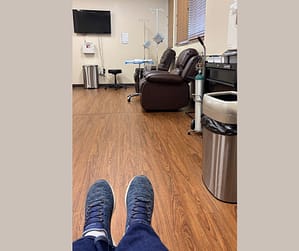
The image shows the clinical outpatient room I am in. There are several large brown leather infusion recliners, an IV pole with medical equipment, a television mounted on the wall, and various medical utility carts and bins.

For many, outpatient infusions become the next step when oral medications no longer provide sufficient relief. These treatments deliver potent biologic medications directly into the bloodstream, bypassing the digestive system for 100% absorption. This targeted approach can be more effective at reducing severe symptoms, such as chronic inflammation and joint damage, compared to traditional pills.

During an infusion session, you can typically expect:

  • A Professional Setting: Treatments occur in a specialized clinic or suite where medical staff monitor your vitals throughout the process.
  • Comfort: Most sessions take place in comfortable recliners. You can often relax, read, or use Wi-Fi during the session, which can last anywhere from 30 minutes to four hours.
  • Support: Unlike self-administered treatments, you have immediate access to healthcare professionals who can address any concerns or mild side effects, like fatigue or a slight headache.

Preparation the Day Before

  • Hydrate Intensively: Drink plenty of water in the 24 hours leading up to your appointment. Proper hydration makes it much easier for nurses to find a suitable vein for the IV.
  • Avoid Dehydrators: Stay away from coffee or alcohol the day before, as these can dehydrate the body.

On the Day of Treatment

  • Warm Your Veins: If you often have difficult IV starts, apply a warm pack to your veins before the nurse attempts the stick. Heat helps plump up veins and can also feel good on arthritic hands.
  • Eat a Light Meal: Have a nutritious but light meal or snack before your session to maintain energy levels and prevent nausea or dizziness.
  • Dress in Layers: Infusion suites can often feel cool. Wear loose-fitting, soft clothing and layers (like a zip-up hoodie or cardigan) to easily roll up sleeves and regulate your body temperature.

Essential “Infusion Bag” Items

  • Comfort Staples: Pack your own cozy blanket, a neck pillow for resting, and even thick socks or slippers if the clinic allows.
  • Personal Care: The clinical environment can be dry. Bring lip balm, moisturizer, and eye drops (like the TheraTears) to stay comfortable.
  • Distractions: Bring a tablet, headphones for music or podcasts, or a physical book to pass the time during sessions that can last several hours. You might also find comfort in your Scripture Journal for quiet reflection.
  • Tech Needs: Remember to pack chargers or a portable power bank for your electronic devices.

Throughout the Session

  • Speak Up: If you feel any discomfort, a chill from the IV, or any new symptoms during the process, inform your nursing team immediately.
  • Post-Infusion Monitoring: Track how you feel in a simple notebook or on your phone. Note any mild side effects like fatigue or headaches, as these are common but typically resolve quickly.

Managing Daily Life and Pain

While medical treatments are vital, small daily habits can also offer relief:

  • Warm Water Therapy: A long, warm shower or bath can be one of the safest ways to reduce morning stiffness. The heat improves circulation, delivering oxygen and nutrients to sore joints while relaxing tight muscles.
  • Joint Protection: It is important to listen to your body’s warning signals. Experts recommend avoiding activities that require a strong grip and using your strongest joints possible to complete tasks.
  • Self-Compassion: Chronic pain can be isolating. Shifting your internal dialogue to focus on what you can do, rather than what you can’t, is a powerful tool for resilience.

Walking by Faith, Not by Sight

Chronic pain can be a heavy burden to carry alone, but we are never meant to carry it by ourselves. Turning our worries over to God brings a supernatural peace that medical treatments alone cannot provide.

Faith changes how we view our daily struggles with RA by:

  • Renewing Our Strength: When physical energy fails, resting in God’s presence provides a deep spiritual refreshment that helps us face the next hour.
  • Shifting Our Focus: Prayer and reflection move our eyes away from physical limitations and point them toward God’s infinite grace and daily blessings.
  • Providing Community: Sharing our burdens with a church or prayer group reminds us that we are lifted up by others who care for us.

Anchored in Faith

In the midst of physical challenges, I find great comfort in my faith. Scripture reminds us that we are never alone in our struggles:

  • Psalm 30:2: “Lord my God, I called to you for help, and you healed me”.
  • Philippians 4:13: “I can do all things through Christ who strengthens me”.
  • Proverbs 17:22: “A joyful heart is good medicine”.

The road with RA isn’t always easy, but each step forward is a victory. Whether through new medical treatments or the support of a faith community, there is always hope for a fulfilling life.

Bible Study Tools I Use

Some of our Post That Might Interest You, All Out of the Current Book / Chapter

  1. Following Jesus in a Distracted World
  2. THANK GOD IT’S FRIDAY: A FRESH START WRAPPED IN GRACE
  3. GOOD MORNING BEAUTIFUL SOUL
  4. HOW TO BEGIN READING THE BIBLE USING THE S.O.A.P. BIBLE STUDY METHOD
  5. WORD OF THE YEAR INSTEAD OF A RESOLUTION
  6. GOD IS SO GOOD – ALL THE TIME!
  7. Guided By Grace About

Thanks for stopping by the blog today! I love having you here. If this post resonated with you, please drop a comment below and share your thoughts. See you in the next post!

Living with Fibromyalgia: A Journey of Strength, Faith, and Perseverance

In 2003, my life changed with two words I had never expected to hear: fibromyalgia diagnosis. At the time, I didn’t fully understand what it meant. I only knew that my body hurt constantly, my exhaustion felt unbearable, and no amount of sleep ever seemed to help. For years before the diagnosis, I felt like I was fighting a battle no one else could see.

Fibromyalgia is often called an “invisible illness,” and that description could not be more accurate. From the outside, people may think you look fine. They cannot see the burning pain in your muscles, the stiffness in your joints, the migraines, the brain fog, or the overwhelming fatigue that can make even simple daily tasks feel impossible.

When I was diagnosed in 2003, there was far less awareness about fibromyalgia than there is today. Many people did not understand it. Some questioned whether it was even real. That made the journey even harder because, along with the physical pain, there was emotional pain too. It is difficult trying to explain an illness that others cannot see or fully understand.

Over the years, I have learned that living with fibromyalgia requires constant adjustment. Some days are manageable, while other days feel like climbing a mountain just to get out of bed. There are moments when the pain flares unexpectedly and steals the plans I had for the day. Fibromyalgia teaches you to slow down, listen to your body, and extend grace to yourself.

One of the hardest parts has been mourning the life I once had. Chronic illness changes things. It changes routines, relationships, energy levels, and sometimes even dreams. But through the struggle, I have also discovered strength I never knew I possessed.

I have learned the importance of celebrating small victories. On difficult days, success may simply mean making it through the day with courage. I have learned to appreciate moments of peace, rest, laughter, and support from those who truly care.

Faith has also carried me through some of my darkest moments. There were nights filled with tears, frustration, and exhaustion when I questioned why this journey had become part of my life. Yet even in the pain, I found comfort knowing I was never alone. God’s strength became my strength when I felt weak.

One scripture that has encouraged me throughout this journey is:

“My grace is sufficient for thee: for my strength is made perfect in weakness.” — 2 Corinthians 12:9

That verse reminds me that even when my body feels fragile, I can still walk forward with hope.

Living with fibromyalgia since 2003 has not been easy, but it has taught me resilience, compassion, patience, and faith. To anyone else living with chronic pain or invisible illness: you are not alone. Your pain is real. Your struggle matters. And even on the hardest days, your life still holds purpose, value, and beauty.

Fibromyalgia may be part of my story, but it does not define who I am. I am stronger than the pain, and I will continue moving forward one day at a time.

Some of our Post That Might Interest You, All Out of the Current Book / Chapter

  1. Following Jesus in a Distracted World
  2. THANK GOD IT’S FRIDAY: A FRESH START WRAPPED IN GRACE
  3. GOOD MORNING BEAUTIFUL SOUL
  4. HOW TO BEGIN READING THE BIBLE USING THE S.O.A.P. BIBLE STUDY METHOD
  5. WORD OF THE YEAR INSTEAD OF A RESOLUTION
  6. GOD IS SO GOOD – ALL THE TIME!
  7. Guided By Grace About

Thank you so much for taking the time to read my blog post! May the words inspire and uplift all who read them. Your support and interest mean the world to me, and I’m grateful for every moment you spend here. Stay tuned for more, and feel free to share your thoughts in the comments!

Optimized by Optimole